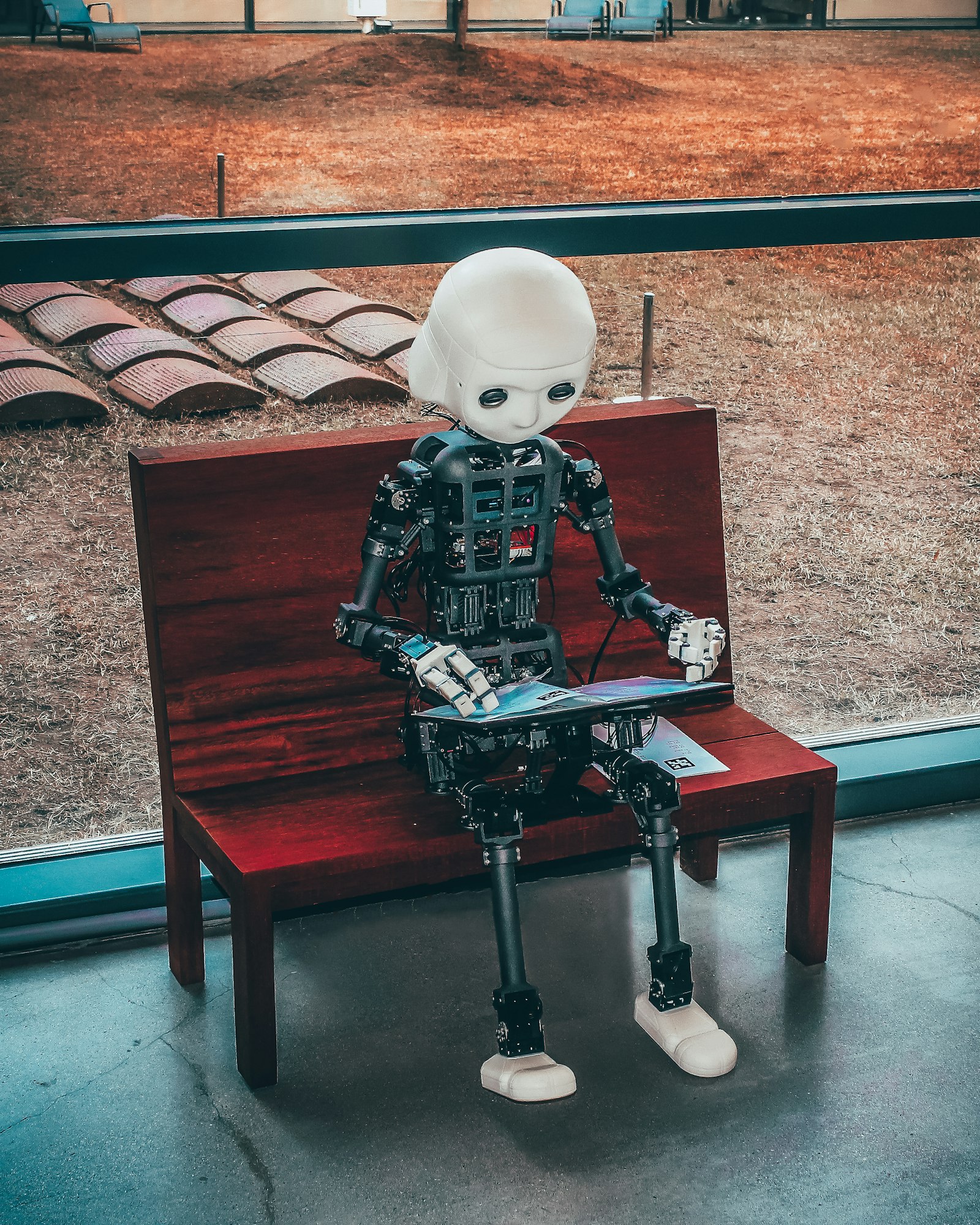
What AI can't do: build trust, be truly timely, and address human fears
AI can automate, predict, and respond at scale. What it still cannot do is earn trust, understand emotional timing, or carry the weight of human reassurance when decisions feel risky.
Artificial Intelligence is reshaping how businesses operate. It is helping teams automate work, answer questions faster, process data at scale, and reduce the cost of repetitive tasks.
That part is real. AI is already useful. It is already saving time. It is already changing how companies grow.
But there is a line many businesses are starting to run into. AI works best where the task is structured, repeatable, and clear. It becomes far less reliable when the situation depends on trust, emotional timing, or human fear.
That matters because the most important moments in business are often not technical. They are human. A worried customer. A hesitant buyer. A frustrated client. A decision that carries financial or emotional risk.
AI cannot build real trust
Trust is the base layer of every serious business relationship. People trust companies when they feel understood, when someone stands behind the outcome, and when responsibility is clear.
AI can imitate conversation. It can sound polished. It can give fast answers. But it does not carry accountability in the way a person does.
- AI cannot take ownership when something goes wrong.
- AI cannot reassure with genuine conviction.
- AI cannot draw from lived experience.
- AI cannot build a relationship over time in the human sense of the word.
It works from patterns and probabilities, not responsibility. That is why AI can support trust, but it cannot be the source of trust by itself.
Speed is not the same as timing
One of AI's biggest strengths is speed. It can reply instantly, summarise instantly, and route information faster than most teams can manage manually.
But timing is not just about how fast a response appears. Timing is about context. It is about judgment. It is about knowing when a person needs information, when they need reassurance, and when they need escalation.
An instant answer can still be the wrong answer if it ignores the emotional state of the person receiving it.
A frustrated customer does not always need another fast reply. Sometimes they need escalation, empathy, and a clear path to resolution.
This is where businesses get into trouble with over-automation. They mistake response speed for customer care. Those are not the same thing.
AI cannot carry the weight of human fear
Most business decisions are not purely rational. Even when people compare features, budgets, and timelines, emotion is still present underneath the surface.
Customers hesitate because they are afraid of making the wrong decision. They worry about wasting money, choosing the wrong partner, damaging their reputation, or committing to something they do not fully understand.
AI can detect patterns in behaviour. It can recommend the next step. It can score leads, classify concerns, and predict what users may do next. But it does not feel uncertainty. It does not understand the emotional weight of risk from the inside.
- AI can analyse fear signals.
- AI cannot authentically reassure someone who feels exposed.
- AI can recommend options.
- AI cannot stand behind a decision the way a responsible human can.
When stakes are high, people still want to know that a person understands what is at risk for them.
The hidden cost of over-automation
A lot of businesses are automating too aggressively because efficiency is easier to measure than trust. Faster replies look good on dashboards. Reduced support time looks good in reports. Lower headcount looks good in planning sheets.
But over-automation often creates a slow leak in customer confidence.
- Complex issues get trapped inside bot flows.
- Customers struggle to reach a real person.
- Emotional situations are treated like routine tickets.
- The business feels efficient internally while becoming colder externally.
When that happens, the cost shows up later as lower retention, weaker conversion, and damaged brand trust.
The right model is AI plus human intelligence
At Hostwire, we do not see the future as AI versus humans. That is the wrong frame. The stronger model is AI plus humans, each doing the work they are naturally better at.
Where AI is strongest
- Repetitive tasks
- Data processing
- Instant retrieval of information
- Workflow automation
- Pattern recognition at scale
Where humans remain strongest
- Building trust
- Strategic decision-making
- Reading emotional context
- Managing difficult conversations
- Owning the outcome when the stakes are real
The businesses that win will be the ones that use AI for scale and humans for depth. They will automate the right layers without removing the human layer that customers rely on when it matters most.
A final thought
AI will keep improving. It will get faster, cheaper, and more capable. But some parts of business will remain stubbornly human.
- Trust
- Timing
- Emotional understanding
Customers may interact with AI, but they remember who understood them, who reassured them, and who stood behind the solution when there was something to lose.
In the end, people trust people, not algorithms.
Frequently asked questions
When is it safe to use AI for customer communication?
AI works well for routine, low-stakes interactions: answering frequently asked questions, routing enquiries to the right team, providing order status updates, and handling straightforward requests. The signal to keep a human in the loop is when the situation involves money, a complaint, a difficult decision, or a customer who has already expressed frustration.
How do I know if I have over-automated my customer experience?
A few clear signs: customers are asking how to reach a real person. Complaints are rising even though response times are faster. Issues that should be simple are getting stuck in bot flows without resolving. If your support feels efficient from the inside but customers are frustrated on the outside, over-automation is usually part of the problem.
Will AI eventually build trust the way humans do?
Not in the way that matters for high-stakes decisions. AI can simulate trustworthy communication. But trust in a business relationship is built on accountability, shared experience, and knowing that someone will stand behind the outcome. Those things require a person who can be held responsible. AI cannot be accountable in the same way.
What is a practical way to split work between AI and human team members?
A simple starting point: use AI for the first response, the routing, the data lookup, and the summary. Use humans for the final decision, the relationship conversation, the difficult escalation, and anything where the customer feels worried or exposed. That split gives you the speed benefits of AI without removing the human layer that customers rely on when it matters most.
About the author
Keerthana is Co-founder of Hostwire Systems. She works with businesses at the intersection of websites, digital systems, and customer experience, with a focus on using technology without losing the human side of growth.